Comparison and decision guides
Repair or Replace: When an Old AC Is Not Worth Fixing
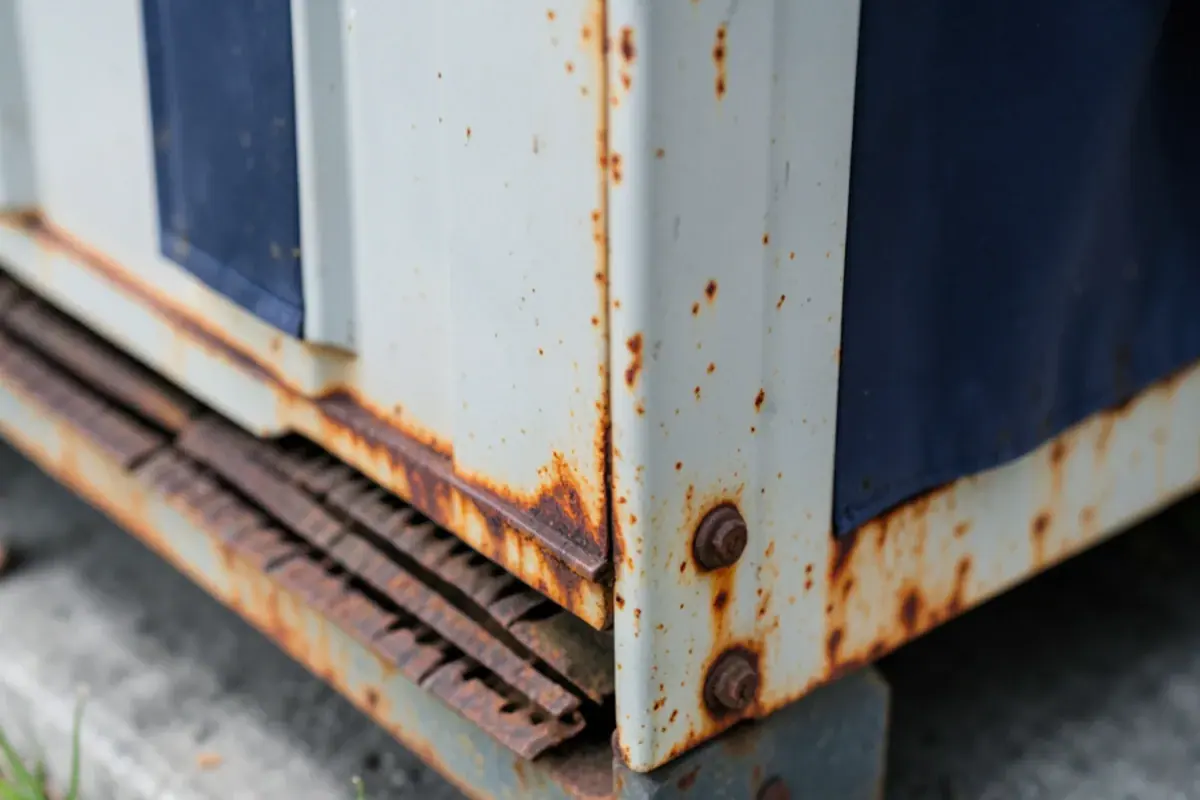
Repair or replace an AC comes down to four things: the unit's age, how often it has failed, what refrigerant it uses and how big this repair is. We lean toward repair when one bounded part fails. We say so plainly when an old, leaking system has run its course.
Published October 30, 2026 · Updated October 30, 2026 · By Kenan Perkins, Owner
- 4.6★ on Google29 reviews
- A+ BBB ratingNot BBB accredited
- Founded in 2010Repair-first advice
- Open 24 hoursCall any time
Repair an old AC when one bounded part has failed and the rest of the system is sound. Replace it when the unit is well past its working life, keeps breaking, leaks refrigerant from the coil or can no longer keep the house comfortable. The fix that costs less and lasts is the right one.
How old is too old to repair an AC?
Age sets the question, not the answer. ENERGY STAR says a heat pump or air conditioner more than 10 years old is worth a professional evaluation. Contractor sources commonly put the working life of residential cooling equipment at 15 to 20 years with routine maintenance.
So a unit at 10 to 12 years is a candidate for a check, not a funeral. A unit at 18 with a corroded coil and a compressor that hums on startup is a different case.
| Situation | Lean toward |
|---|---|
| Under 10 years old, one failed part (capacitor, contactor, fan motor) | Repair |
| 10-15 years old, good service record, one moderate repair | Repair, with a conversation |
| 15-20 years old, second major repair in a few seasons | Replace or plan to |
| Any age, leaking evaporator or condenser coil | Compare repair against replacement |
| Compressor failed on a unit past 12 years | Usually replace |
| Rising bills, uneven rooms, loud operation, repeated repairs | Evaluate replacement |
Want a technician to take a look?
Call and tell us what the system is doing. You will get a clear, upfront quote before work starts.
- 4.6★ on Google29 reviews
- A+ BBB ratingNot BBB accredited
- Founded in 2010Repair-first advice
- Open 24 hoursCall any time
What does the repair history tell you?
Count the repairs and the time between them. ENERGY STAR's warning signs are frequent repairs combined with rising energy bills, rooms that are too hot or cold, humidity problems and noise. One of those is a nuisance. Three together mean the system is losing ground.
A rule of thumb many contractors use: if a single repair costs about half of a replacement, and the unit is past 10 years old, replacement deserves a serious look. It is a prompt for a discussion, not a law. Ask for both numbers in writing so you can see them.
A worked example: cost per year of life
Compare what each choice costs per year of use you can reasonably expect. These numbers are illustrative arithmetic, not a quote.
| Choice | Up-front cost | Years it buys | Cost per year |
|---|---|---|---|
| Repair a failed fan motor on a 12-year-old unit | $900 | 3 or more | about $300 |
| Repair a leaking coil on a 17-year-old unit | $1,800 | 1 to 2, uncertain | $900 to $1,800 |
| Replace the AC | $6,000 | 15 | about $400 |
The fan motor repair wins because it is cheap against the life it buys. The coil repair loses, because a 17-year-old unit has little life left to buy and the next failure is likely. Ask the technician honestly how many years the repair should buy, then do this arithmetic with your own quote.
Before you approve a repair on an older unit, ask four things:
- What failed, and what else on the unit is near the same condition?
- Is the refrigerant charge correct, and is there a leak?
- How many years should this repair reasonably buy?
- What would replacement cost, in writing, for the same scope?
Does R-22 or R-410A change the decision?
It can. R-22 production and import ended on January 1, 2020, per the EPA. The EPA also says reclaimed and stockpiled R-22 should meet owners' needs well past the phaseout date, and that homeowners are not required to replace an R-22 system. So a capacitor or fan motor repair on an R-22 unit still makes sense. A large refrigerant leak on one is the case where cost and supply start to push toward replacement.
R-410A systems can be serviced as usual. The EPA's May 2026 revision removed the installation deadline for R-410A equipment manufactured or imported before the cutoff, according to ACHR News. New residential split systems built since January 1, 2025 use lower-GWP refrigerants, usually R-454B or R-32.
From the field: when replacement was the honest answer
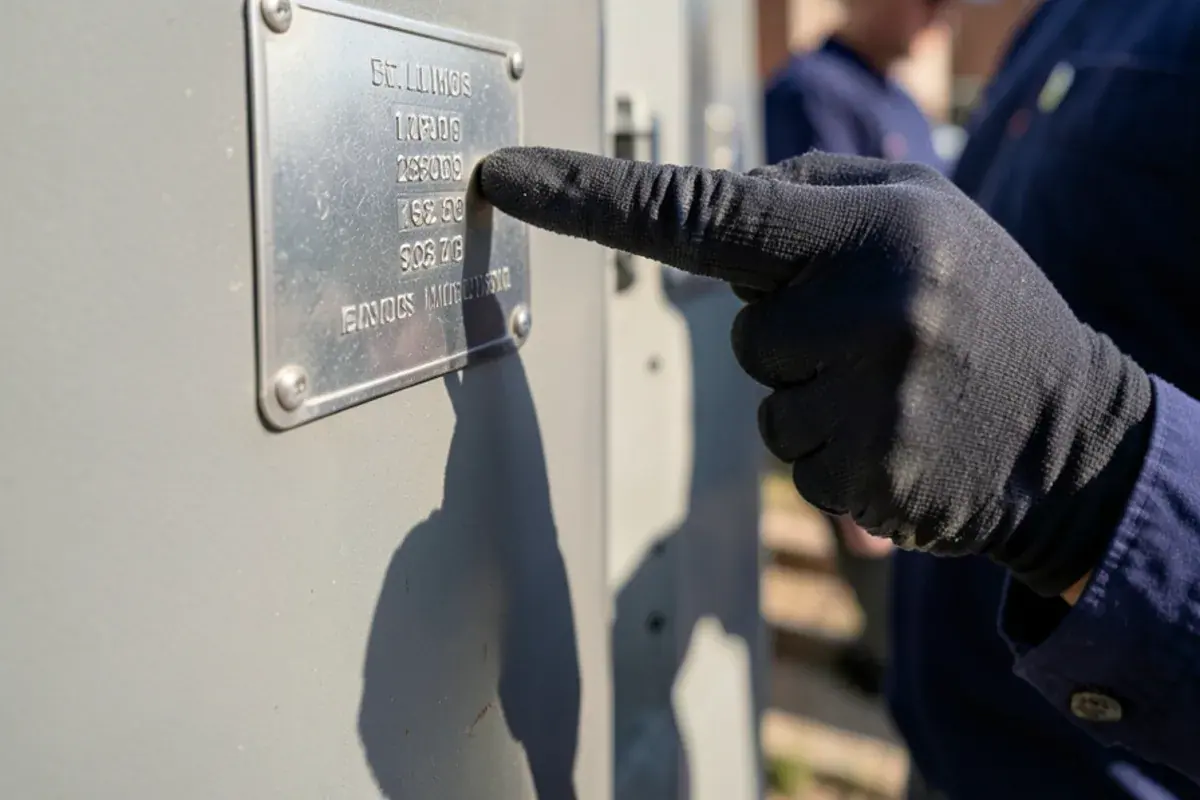
We would rather fix than sell, but the reviews show both outcomes. One Google reviewer, Ms. O., described an air conditioner that was leaking lots of water, rusty and so old and damaged that the house would not reach the right temperature. The system needed replacement, a new one was installed and the home was back to normal.
Another reviewer, Margaret S., found that a prior repair had not included the capacitor it was supposed to. That is the other side of the coin: before you buy a new unit because of a repeat failure, confirm the earlier repair was real. A recurring fault often means the first diagnosis missed the cause.
What does replacement cost in the St. Louis area?
Angi reports that a full HVAC replacement in St. Louis runs $4,755 to $11,888 in 2026, averaging $7,133, with labor at $75 to $150 per hour. An AC-only replacement costs less than a full system, and an older furnace or damaged ductwork can add to it.
ENERGY STAR notes that a new AC connected to an old furnace blower will not perform to its rating, and that replacing both is especially worth considering when the furnace is over 15 years old. The federal minimum for a split AC in Missouri's region is 13.4 SEER2, according to the Department of Energy. Do not budget for the federal 25C tax credit, which the IRS says does not apply to property placed in service after December 31, 2025.

Replace only the outdoor unit, or the whole system?
The EPA's refrigerant FAQ says a broken condensing unit can be replaced if the new one meets regional efficiency standards. That is the cheaper path, and it has limits.
| Option | Why choose it | Trade-off |
|---|---|---|
| Outdoor unit only | Lowest cost, and the indoor side is recent | The indoor coil and refrigerant must match the new condenser |
| Outdoor unit and indoor coil | Matched pair, with no leftover leaks in an old coil | Higher cost, and the furnace blower still limits performance |
| Whole system | Fresh equipment and a chance to fix ductwork | Highest cost, so get the load calculation first |
Do not accept a match that the installer cannot document by model number.
How should you size and compare a replacement?
Insist on a load calculation. The old unit's tonnage is not a design, and many older homes have been renovated, re-insulated or had windows replaced since it was installed. Our AC installation page explains what a proper sizing visit includes.
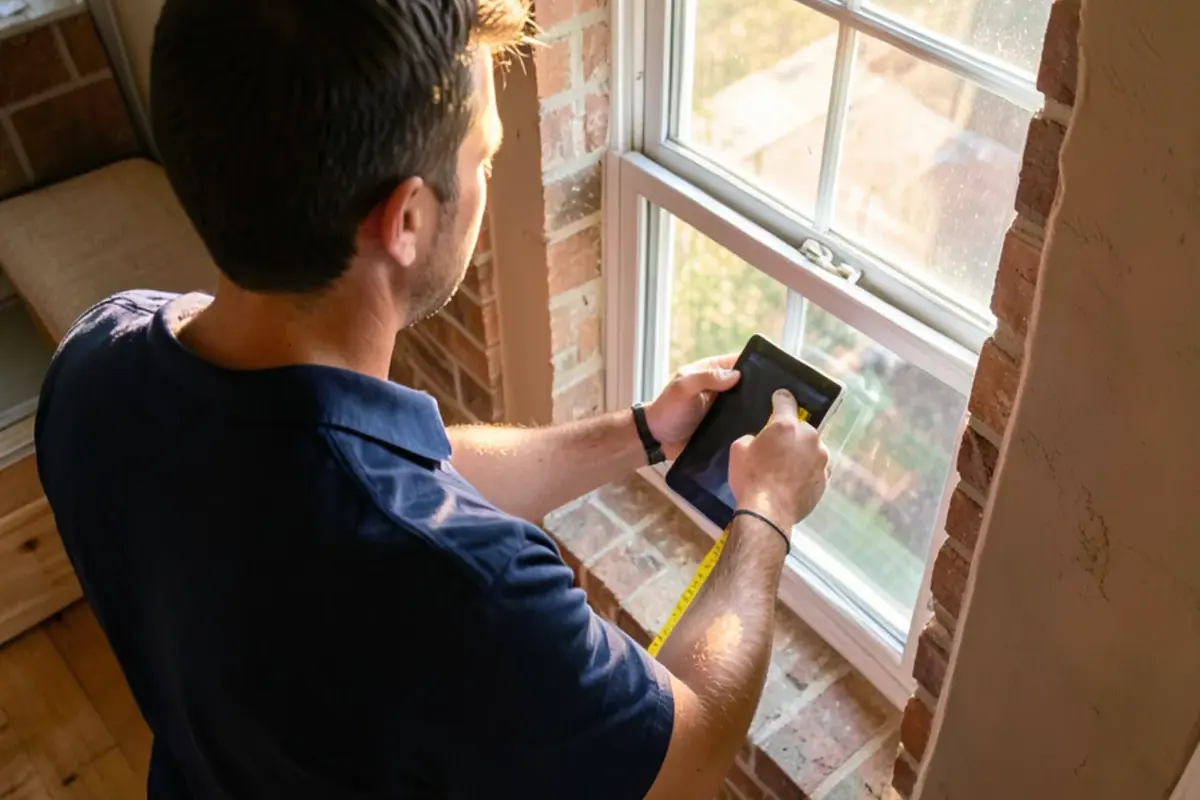
Compare quotes by equipment model, efficiency rating, scope of work, who pulls the permit, removal of the old unit and payment terms. Our guide to choosing an HVAC contractor lists the checks. South county subdivisions around Mehlville and Lemay have many older split systems where this decision comes up every summer.
When is the best time to replace?
Before the failure, if you can choose. St. Louis recorded 49 days at or above 90°F in 2025, according to the National Weather Service, and a unit that quits in July leaves you comparing quotes in a hot house. In spring or fall you can collect two or three itemized quotes, check license numbers and ask about the permit without the pressure. If the AC is still running but you are watching it age, a spring tune-up shows whether it will last the summer.
A replacement is permit work in the City of St. Louis and in St. Louis County, so ask each contractor who pulls the permit and get the answer in the quote.
Next steps before you call
Get the unit's age and refrigerant type from the data plate, write down the last two repairs, and call. We diagnose first, explain the problem in plain language and give you options. Our AC replacement and AC repair pages show both paths. We are open 24 hours. Same-day service is possible when the schedule allows.
About the author
Kenan Perkins
Owner of Kenan Corporation. Studied at Ranken Technical College. The company, founded in 2010, is built on repairing systems honestly rather than pressuring people into new ones. More about us.
Sources
- ENERGY STAR, When Is It Time to Replace?
- U.S. EPA, homeowners and consumers FAQ on refrigerants
- U.S. EPA, phaseout of Class II ozone-depleting substances
- ACHR News, EPA removes R-410A installation deadline
- U.S. Department of Energy, central air conditioner regional standards guidance
- National Weather Service St. Louis, climate data
- City of St. Louis, mechanical permits
- Angi, HVAC replacement cost in St. Louis (2026)
Repair or Replace an Old AC: common questions
How old is too old to repair an AC?
ENERGY STAR suggests a professional evaluation once an AC or heat pump passes 10 years, and contractor sources commonly put the working life at 15 to 20 years with maintenance. Age alone is not the verdict. A 14-year-old unit with one bad capacitor is a repair.
Is it worth fixing an AC that uses R-22?
Often, for a modest repair. No new R-22 has been made or imported since January 1, 2020, but the EPA says reclaimed and stockpiled supply should meet owners' needs well past that date. A large coil or compressor leak on an R-22 unit is a different story.
Can I replace only the outdoor unit?
Sometimes. The EPA says a broken condensing unit can be replaced if the new one meets regional efficiency standards. Matching the indoor coil and the blower matters, because ENERGY STAR warns a new AC on an old furnace blower will not reach its rated efficiency.
What does a new AC cost in St. Louis?
Angi reports a full HVAC replacement in St. Louis at $4,755 to $11,888 in 2026, averaging $7,133. An AC-only job costs less. Size, efficiency, ductwork and access move the number, so ask every contractor for an itemized written quote.
Talk to an HVAC specialist
Tell us what your system is doing and where you are. Open 24 hours.
Kenan Corporation, 927 Broadhead Lane, St. Louis, MO 63138. Open 24 hours.
- 4.6★ on Google29 reviews
- A+ BBB ratingNot BBB accredited
- Founded in 2010Repair-first advice
- Open 24 hoursCall any time