Indoor Air Quality
Air Purifiers and Filtration in St. Louis, MO
Air purifiers and filtration in St. Louis should start with what EPA supports: a well-fitted filter, source control and fresh air first. Kenan Corporation checks your fan and ducts before recommending equipment, then gives a clear, upfront quote before any work starts.
- 4.6★ on Google29 reviews
- A+ BBB ratingNot BBB accredited
- Founded in 2010Repair-first advice
- Open 24 hoursCall any time
Better filtration helps most when it is added to source control and ventilation, not used in place of them. EPA says the most effective way to improve indoor air is to reduce or remove pollutant sources and ventilate with clean outdoor air. Filtration can supplement those steps, and EPA adds that no air cleaner or filter removes all pollutants.
Do you need an air purifier or just a better filter?
For most homes the first step is a properly fitted filter, not a new machine. EPA suggests a filter rated at least MERV 13, or the highest rating your system's fan and filter slot can accommodate. It also says most systems can run MERV 13 without trouble if the filter is replaced often, typically every 60 to 90 days.
A purifier becomes worth discussing when a household has a specific particle concern, such as wildfire smoke days, a smoker nearby or pets. Even then, the results are modest. EPA says several studies with portable HEPA units found small cardiovascular and respiratory improvements, and improvements in some allergy and asthma symptoms, but not always major ones. We make no health promises.
Which filtration options are worth considering?
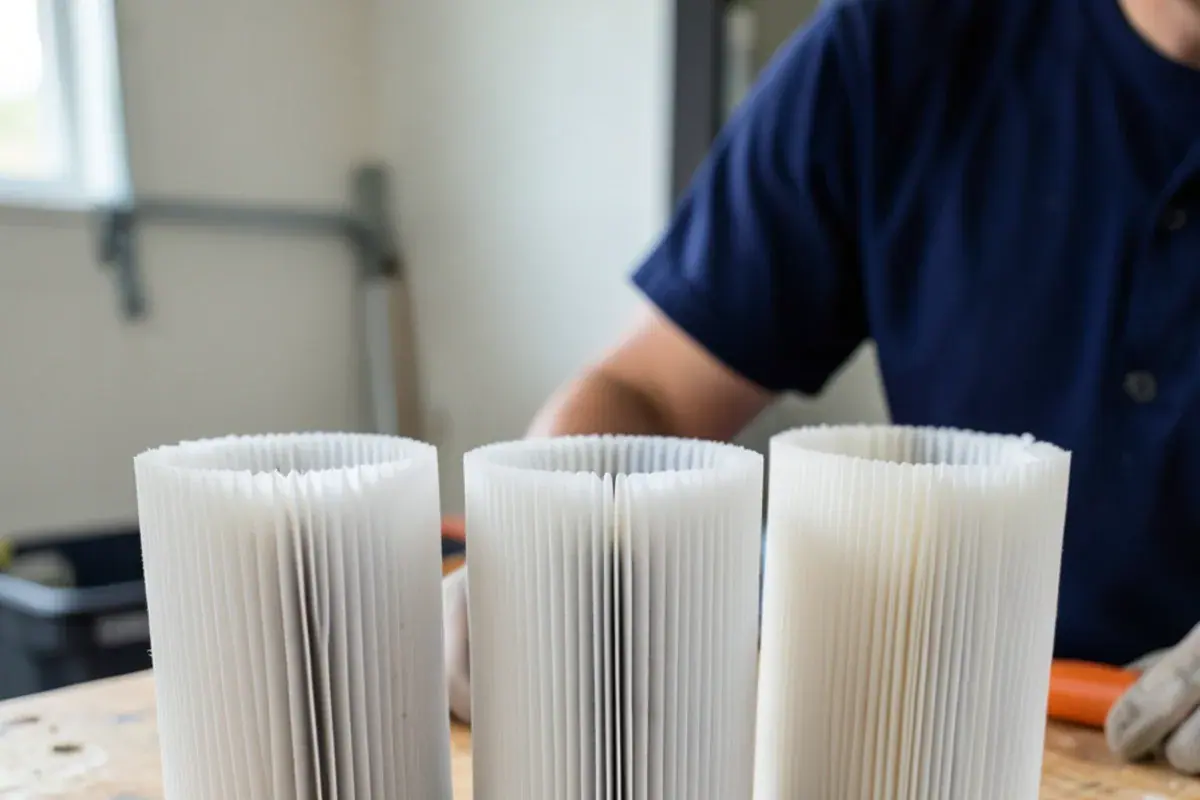
Match the option to the pollutant. EPA notes that most filters target either particles or gases, not both.
| Option | What it does | Trade-off |
|---|---|---|
| Higher-rated pleated filter (MERV 13+) | Captures more fine particles in a ducted system | Needs a fan and slot that can handle it |
| Deeper media cabinet (up to 5 inches) | More surface area, longer life | Needs space and a duct modification |
| Whole-home HEPA, usually on a bypass | Highest particle capture | Added fan, cost and duct work |
| Portable HEPA unit | Cleans one room, sized by CADR | Only works while running and in that room |
| Activated carbon | Targets gases and odors | Thicker is better; no standard rating exists |
| UV lamp or electronic cleaner | Sold for microbes or particles | Not supported for gases; some emit ozone |
EPA says HVAC filters clean the air only while the system runs, which is usually under a quarter of heating and cooling time. Running the fan longer can raise energy use and affect humidity control.
How is the right setup chosen for your system?
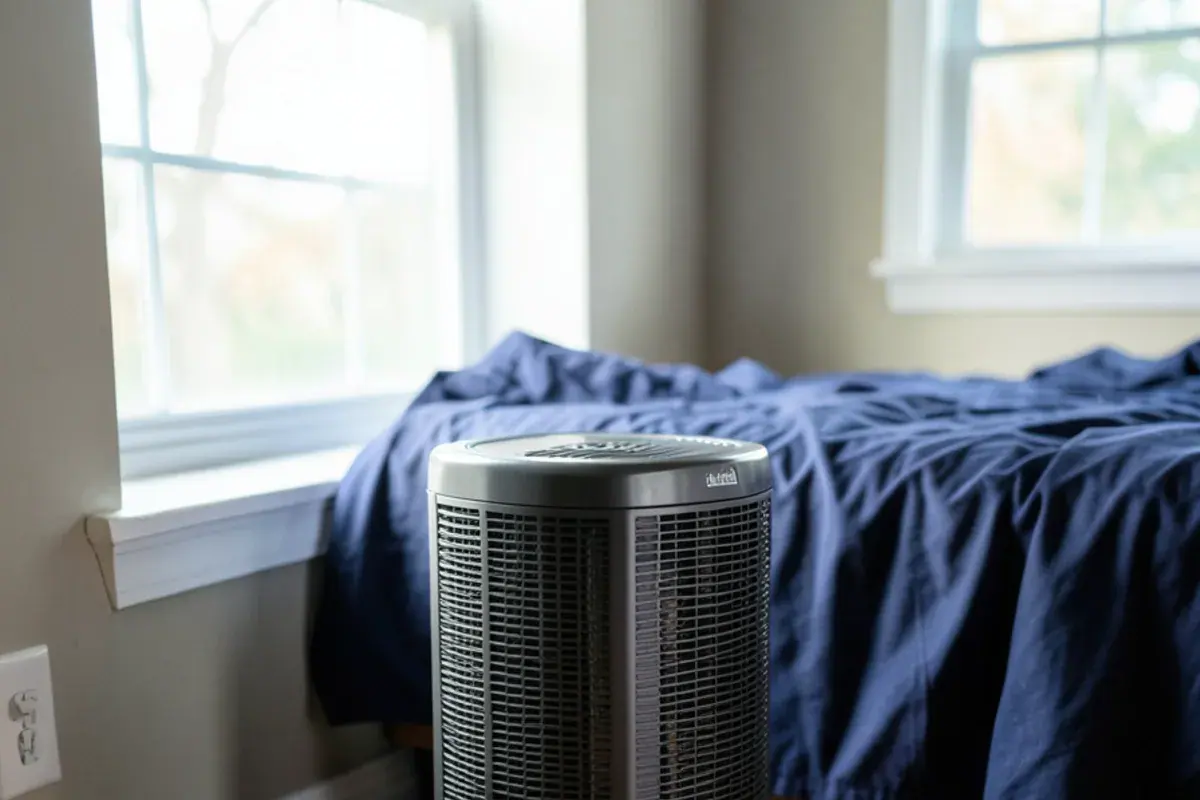
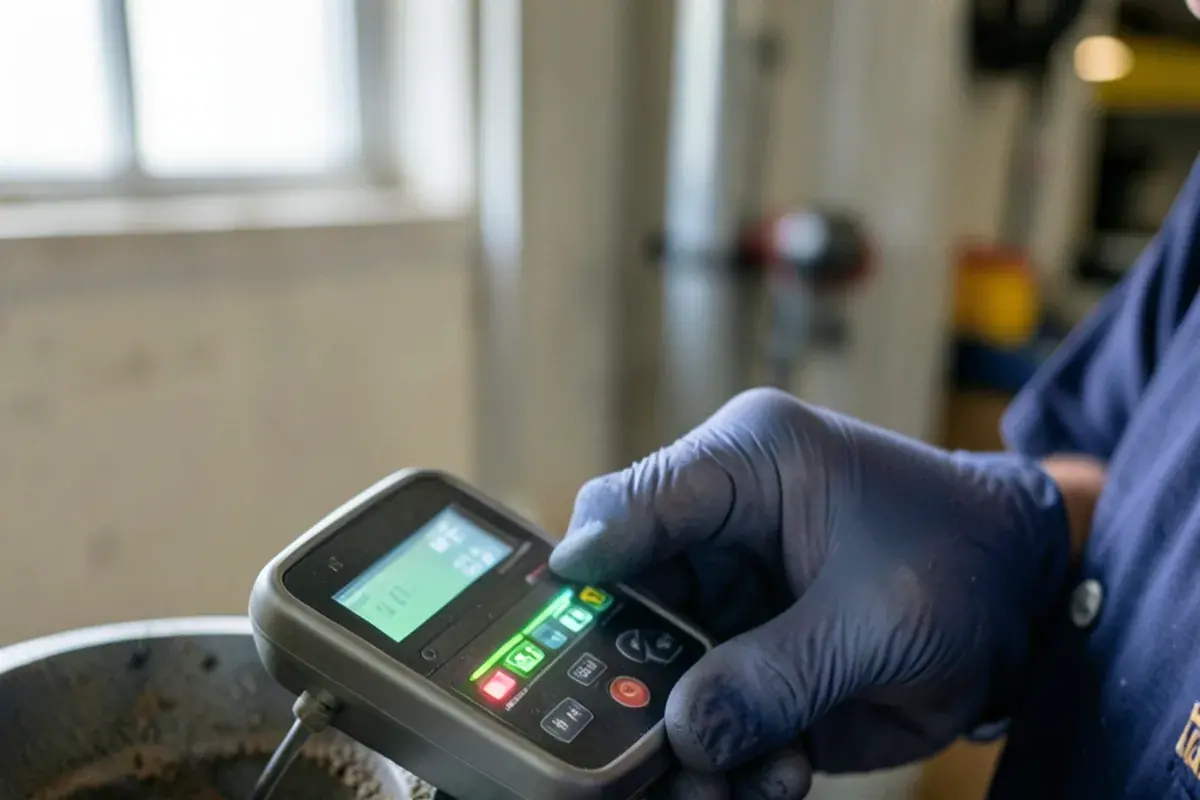
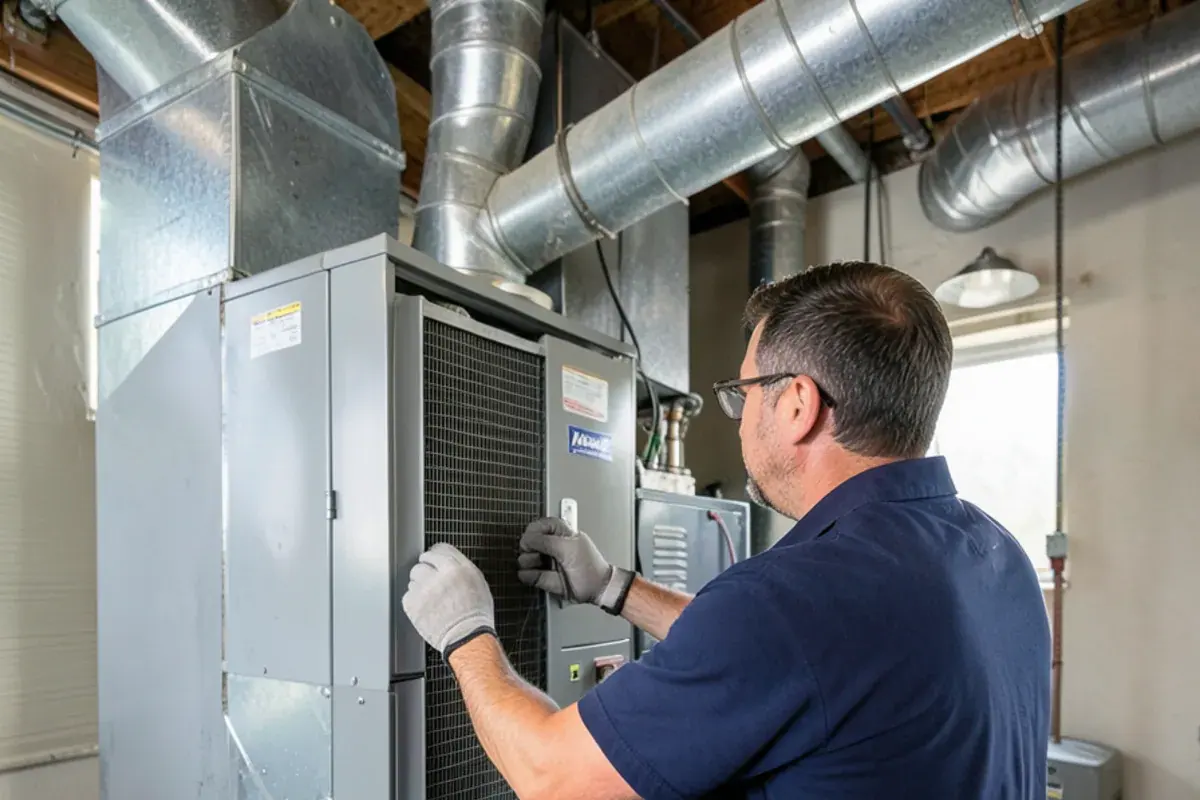
Fan capacity and duct condition decide what is realistic, so we measure before we recommend. EPA says filters commonly range from one to five inches thick and should fit snugly without bending or crushing. A technician checks the pressure drop at the filter slot, the blower speed and the airflow at registers.
For a portable unit, EPA's chart gives a rule of thumb: about 65 cubic feet per minute of CADR for 100 square feet, 130 for 200, 195 for 300 and 260 for 400, all assuming 8-foot ceilings. Choose a higher CADR for taller ceilings, and use two units for areas too large for one.
Duct leaks matter too. ENERGY STAR says about 20 to 30 percent of air in a typical duct system escapes through leaks, so sealing may come before any equipment. See duct repair and replacement.
What does the installation process look like?
A filtration upgrade follows five steps, and your quote should list each.
- Assessment. Blower, filter slot, ducts and your goals are reviewed.
- Options. Filter, cabinet, bypass HEPA or portable units are compared, with trade-offs explained in plain language.
- Quote. A clear, upfront quote before work starts, including filter replacement cost.
- Installation. Cabinet or bypass is fitted and sealed to the duct, and the permit question is settled.
- Verification. Airflow and pressure are re-measured, and you get a filter size, rating and change schedule.
A filter swap takes minutes. A cabinet or bypass is a longer visit, and your quote should say how long. Ask for the schedule in writing.
Need help with Air Purifiers and Filtration?
Call and tell us what the system is doing. You will get a clear, upfront quote before work starts.
- 4.6★ on Google29 reviews
- A+ BBB ratingNot BBB accredited
- Founded in 2010Repair-first advice
- Open 24 hoursCall any time
What a filtration job covers
- A check of the fan, filter slot and return ducts before any recommendation
- A filter or air cleaner chosen for what your fan can push air through
- A cabinet or housing fitted at the return, with sealed joints
- A check that airflow still reaches the registers afterward
- Filter sizes and a replacement schedule left with you
What does whole-home filtration cost in St. Louis?
Third-party guides put a whole-home HEPA system installed in an existing forced-air house at about $2,000 to $6,000, with $3,800 typical. A high-efficiency media cabinet runs about $400 to $1,800 installed and usually lacks true HEPA filtration. Those figures come from ThePricer's October 2026 cost guide and are national market figures, not our quote.
The price moves with:
- Equipment type and filter thickness
- Whether a bypass duct, extra fan or electrical circuit is needed
- Duct leakage that must be sealed first
- Access, such as an attic air handler
- Replacement filters, which are a recurring cost
What do EPA and local rules say about ozone and permits?
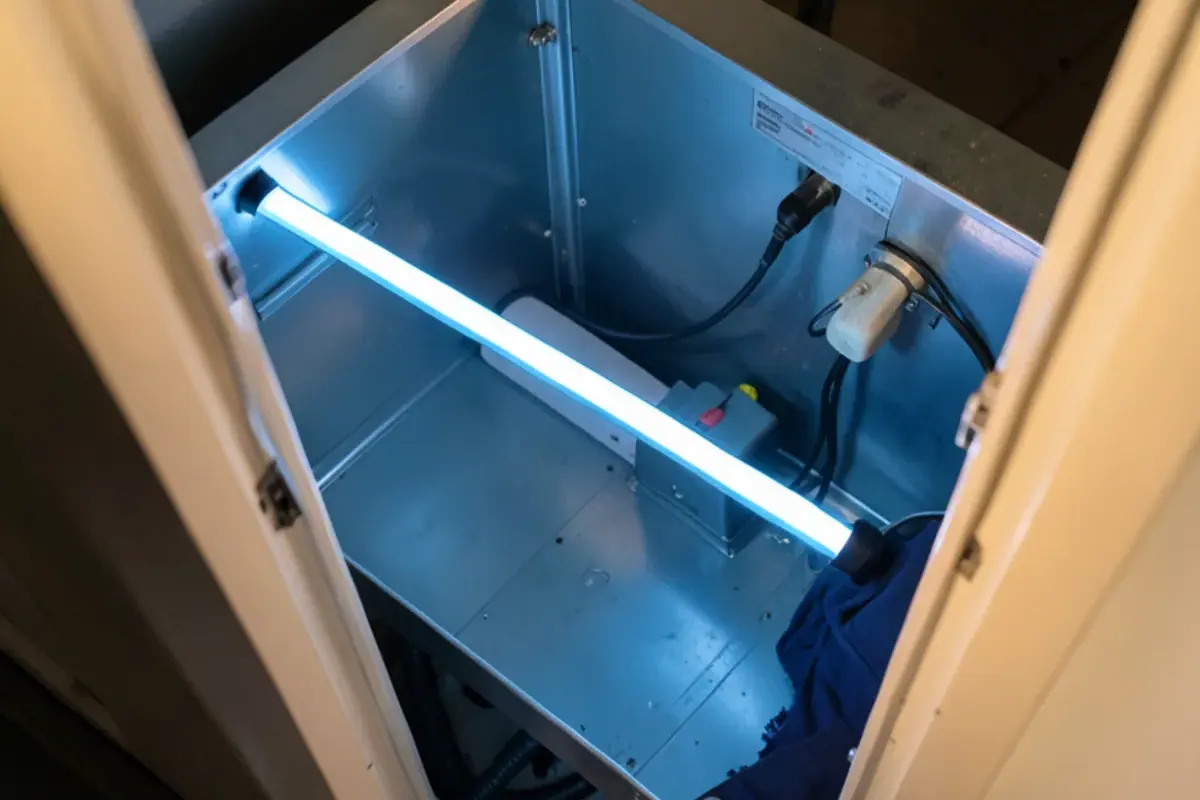
The key safety rule is to avoid devices that make ozone on purpose. EPA says air cleaners that intentionally produce ozone are not approved by any federal agency for use in occupied spaces, and that ozone is a lung irritant. It also says electrostatic precipitators, ionizers, plasma cleaners and UV lights without adequate lamp coatings may emit it, and points to the California Air Resources Board and AHAM lists of low-emitting devices.
EPA does not certify or recommend specific brands, and ENERGY STAR labels cover energy use, not cleaning effectiveness. On permits, filter changes are not permit work. St. Louis County requires one to install, alter, repair or replace duct systems, so ask the installer whether a cabinet or bypass triggers it.
Which license and permit rules apply to a filtration install?
Licensing in Missouri is local, and a cabinet cut into the return counts as altering a duct system. St. Louis County's Department of Transportation and Public Works requires a permit for that, and its Mechanical Licensing Clerk at (314) 615-7096 can confirm a contractor's license. A drop-in filter or a portable unit needs neither.
Cities add layers. Ballwin wants a city contractor license plus an active county license, Creve Coeur has a county-licensed contractor pull the permit and then inspects, and Kirkwood says contractors must be licensed with the city. In the City of St. Louis, Ordinance 70800 covers replacement heating and cooling units, so ask the Mechanical Section at 314-622-3313 about duct changes. Whoever you hire, including us, should give you the license number that applies at your address.
Why Kenan Corporation for filtration advice
Kenan Corporation rates 4.6★ across 29 Google reviews, checked October 2026.
- Measure first. A load calculation sizes new systems, and a pressure reading tells us what filter your fan can handle.
- Options, not a package. Filter, cabinet, bypass and portable choices are compared with their trade-offs, and sealing a leak comes first when that is the better spend.
- Repair-minded. The company began in 2010 under Kenan Bruce Martz, after 20-plus years at St. Louis area HVAC companies, because he wanted to move away from hard-sell pitches.
- Open 24 hours, so questions get answered when you have them.
Licensing is local in Missouri, since the state issues no HVAC license. Ask any installer for the license number issued for your address. We serve Clayton and Richmond Heights in about 35 minutes and Kirkwood in about 50 minutes from our base near Spanish Lake in normal traffic.
Where filtration questions come up
Each town below is a normal-traffic drive from our Spanish Lake base.
- Clayton: condo air handlers often sit in a closet, so the filter slot size limits what fits before any upgrade is priced.
- Richmond Heights: with 46 percent of occupied units rented, who owns the filter schedule matters as much as the filter.
- Kirkwood: running the fan longer to filter more costs more here, since Kirkwood Electric raised rates 14.8 percent on November 1, 2025.
- Lemay: leaves and pollen from the wooded park edges load filters, so plan on changing them sooner.
- Bridgeton: damp basements near the Missouri River are a moisture problem first, and EPA says filters do not solve mold.
- Shrewsbury: about 750 units sit in buildings of 20 or more apartments, so one visit can cover filters and condensate lines together.
- Creve Coeur: two-story houses may run one system per floor, so each floor needs its own filter and change schedule.
- Ballwin: 1970s split-levels run ducts through crawl spaces and slabs, so sealing leaks may come before any filtration spend.
- Maryland Heights: about 36 percent of units are in buildings of five or more, so tell us who controls access to the air handler.
How do you care for a filtration upgrade?
Change the filter on schedule, and write the date on the frame. EPA says to replace filters per the manufacturer, typically every 60 to 90 days, or sooner if they look heavily soiled. Keep return grilles clear, fix moisture problems, and keep the highest-rated filter your blower handles. If airflow drops or the system gets noisy, the filter may be too restrictive, and a technician should check it.
Air Purifiers and Filtration: common questions
Does a whole-home air purifier get rid of allergens?
It can reduce airborne particles, but no air cleaner removes everything. EPA says filtration supplements, and does not replace, source control and ventilation with clean outdoor air. Several studies with portable HEPA units found improvements in some allergy and asthma symptoms, not always major ones.
Is a higher MERV filter always better?
No. EPA suggests MERV 13 or the highest rating your system's fan and filter slot can accommodate, and says most systems can use MERV 13 if the filter is changed often. A filter too restrictive for the blower can cut airflow. Have a technician check before you buy a thick or very fine filter.
Are UV lights or ionizers worth adding to my furnace?
EPA says research has not shown UV, plasma or photocatalytic oxidation to remove gases effectively in portable air cleaners, and that electrostatic precipitators, ionizers and UV lights lacking proper coatings can emit ozone. If you consider one, ask for third-party ozone test data, such as the California Air Resources Board lists.
Are ozone generators safe for occupied homes?
EPA says devices that intentionally produce ozone are not approved by any federal agency for use in occupied spaces, and that ozone is a lung irritant. Do not buy a purifier that advertises ozone as a feature, and be cautious of products that ask you to leave the house while they run.
Does an air purifier remove mold or cooking odors?
Not mold itself. EPA says air cleaners and filters do not solve a mold problem, because the moisture source has to be removed. For odors and gases, EPA notes that activated carbon filters can work when they contain a lot of material. Fan vents over a stove help more than any filter for cooking.
Do I need a permit to add a whole-home filter in St. Louis County?
It depends on the work. A filter swap is not permit work, but St. Louis County requires a permit to install, alter, repair or replace heating, air-conditioning or duct systems. A media cabinet or bypass duct alters the duct system, so ask the installer whether one applies and get that in the quote.
Talk to an air quality specialist
Tell us what your system is doing and where you are. Open 24 hours.
Kenan Corporation, 927 Broadhead Lane, St. Louis, MO 63138. Open 24 hours.
- 4.6★ on Google29 reviews
- A+ BBB ratingNot BBB accredited
- Founded in 2010Repair-first advice
- Open 24 hoursCall any time
What customers say on Google
4.6★ from 29 Google reviews, checked October 2026.
Kenan Corporation they are very great at what they do; my air conditioner was leaking lots of water, it was rusty & so old and damaged that the air in the house wasn’t reaching to the correct temperature, so Kenan Corporation came out to fix the problem, needed a new HVAC system installed, so now our home is back to normal, I would definitely recommend their service to friends and family they are 100% a recommendable company; We will definitely continue to call for their service if needed, Thank you Kenan Corporation.
Kenan is very professional, I respect his integrity. He did an awesome job. I trusted him around my mom so that says a lot about his character.